

Food adulteration is when someone adds harmful or low-quality substances to food items. This can happen to many common foods and it can seriously affect the quality and nutrition of what we eat. Let’s explore some of the foods that are often adulterated and how this impacts our health and safety.
Common Foods That Get Adulterated
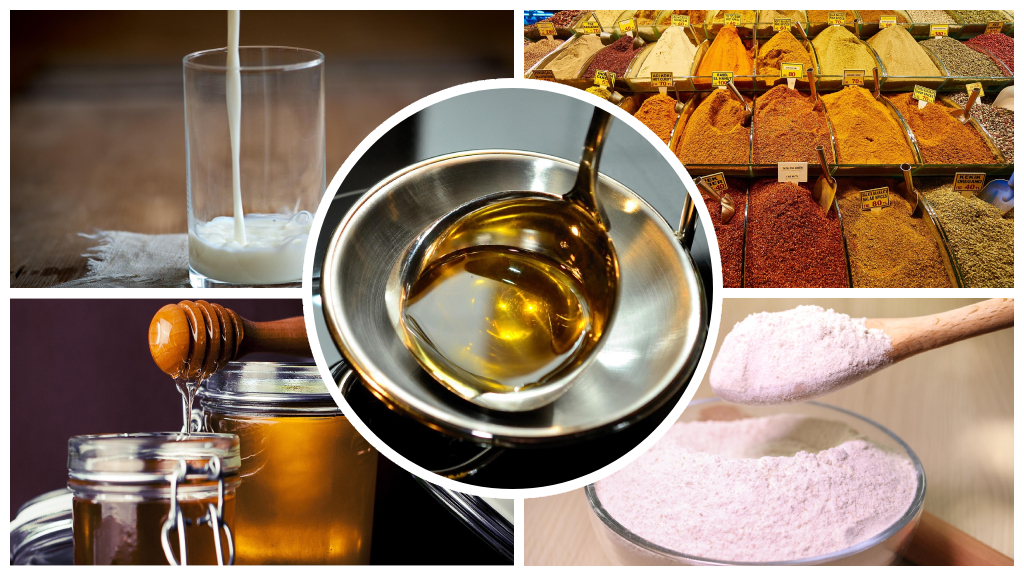
- Milk: One of the most commonly adulterated foods is milk. Sometimes water is added to milk to increase its volume which lowers its nutritional value. Other times harmful substances like detergent or urea can be mixed in to make the milk appear fresh or to thicken it. This not only affects taste but can also lead to health issues.
- Spices: Many spices such as turmeric and chili powder can be mixed with artificial colors or fillers. For example, some turmeric powders may have lead chromate added to give them a bright yellow color. This can be dangerous and can cause serious health problems over time.
- Oils: Cooking oils are also at risk for adulteration. Sometimes cheaper oils are mixed with more expensive ones to save money. This can change the flavor and can also introduce unhealthy fats that can be harmful to our bodies.
- Honey: Real honey is often diluted with sugar syrup or corn syrup. This not only reduces its natural benefits but can also lead to a lower quality product that lacks vital nutrients.
- Flour: Flour can be mixed with chalk powder or other fillers to increase weight. This can reduce the nutritional content of the flour and can also lead to digestive issues.
Impact on Food Quality and Nutrition
Food adulteration can have serious effects on both the quality of food and our health. When harmful substances are added to food it can lead to several problems:
- Health Risks: Eating adulterated food can cause various health issues including allergies poisoning and long-term diseases. For example, consuming milk with detergent can lead to serious stomach problems and other health concerns.
- Nutritional Deficiencies: When high-quality nutritious foods are compromised, we may not get the vitamins and minerals our bodies need. For example, if milk is watered down, we miss out on calcium and protein that are essential for growth and development.
- Taste and Quality: Adulteration can also change the taste and texture of food. For instance, if spices are mixed with fillers the flavor may not be as strong or enjoyable. This can lead to a less satisfying eating experience.
- Trust Issues: When consumers discover that food has been adulterated it can lead to a lack of trust in food suppliers. People may become suspicious of the foods they buy which can affect their choices and eating habits.
In conclusion food adulteration is a serious issue that affects many popular foods. It not only poses health risks but also lowers the nutritional value and quality of our meals. To stay safe, it’s important to buy food from trusted sources and to be aware of the signs of adulteration. By doing so we can make healthier choices and ensure that we are providing the best nutrition for ourselves and our families.
Contact us at Healing Tree, if you want to get cured holistically.