

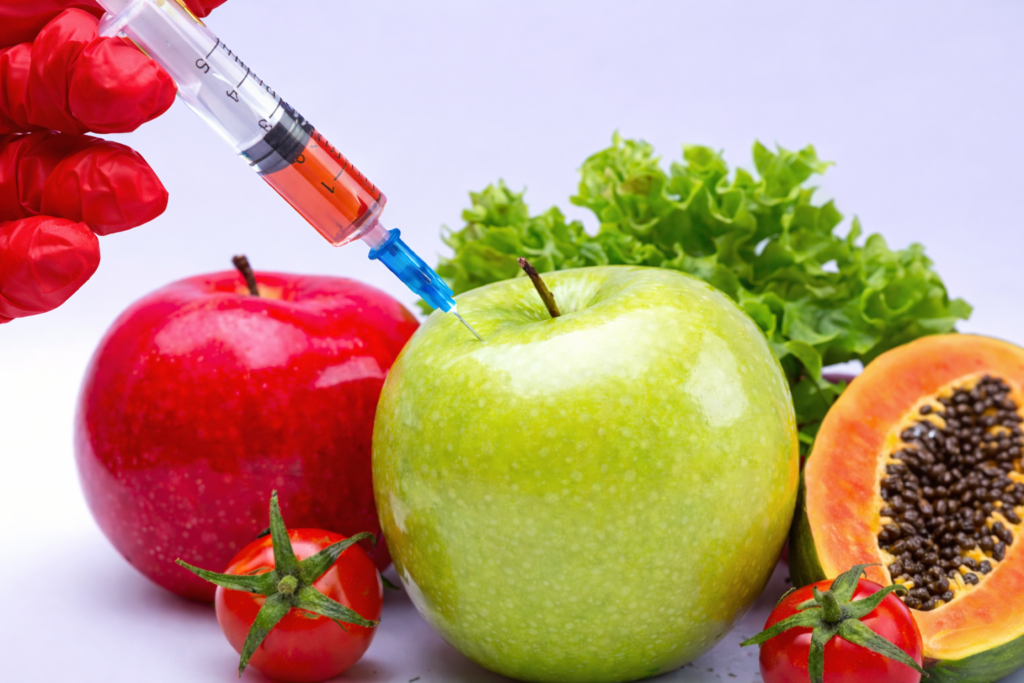
Food adulteration is a growing concern that poses serious risks to consumer health and undermines trust in the food supply chain. This practice occurs when manufacturers intentionally mix harmful or lower-quality substances into food products to cut costs or enhance their appearance. Examples of food adulteration include blending pure olive oil with cheaper oils to boost profits or adding corn or other fillers to coffee to increase weight.
Such actions not only deceive consumers but also compromise the safety of food. In cases where toxic substances are involved, like the notorious melamine scandal linked to infant formula, the consequences can be devastating, leading to serious health issues and even fatalities.
The impact of food adulteration extends beyond individual health risks; it damages the overall trust consumers have in the food industry. When people worry about the purity and safety of what they eat, they might choose to buy less or seek alternatives, slowing down business for honest producers. The potential risks from food adulteration are high and include allergic reactions, toxic exposure, and long-term health consequences. As more people become aware of these dangers, there is a growing demand for safe, ethical food production practices.
The challenge lies in ensuring that food products are genuine and safe for consumption, fostering a culture of transparency and accountability among food manufacturers.
To effectively combat food adulteration, a multi-faceted approach is necessary. Regulators must be vigilant, establishing and enforcing strict guidelines that hold manufacturers accountable for their practices. This involves routine inspections, lab testing of food products, and imposing substantial penalties on those caught adulterating food. Additionally, companies need to invest in better quality control measures, ensuring thorough testing of their ingredients and final products. Transparency in the food supply chain is also crucial; consumers deserve to know the origins and quality of their food. This can be achieved by labeling practices that allow consumers to trace their food back to its source. By working together, regulators, companies, and consumers can create a safer food environment and restore trust in the food supply.
Contact us at Healing Tree, if you want to get cured holistically.